

For many of us, acne and spots are not just an unpleasant memory from our teenage years but a reality that undermines our self-confidence every time we look in the mirror, even in adulthood. Even after the active, painful phase of the spots has passed, the deep pits, red marks or dark scars they leave behind remind us that the treatment is not actually over yet. This scenario, which we frequently encounter in our aesthetic surgery practice in Ankara, is no longer a hopeless problem thanks to today’s advanced laser technologies. Aesthetic surgeon Dr Gözde Erten aims to help your skin regain its healthy texture through personalised solutions she devises for the treatment of acne and pimple scars.
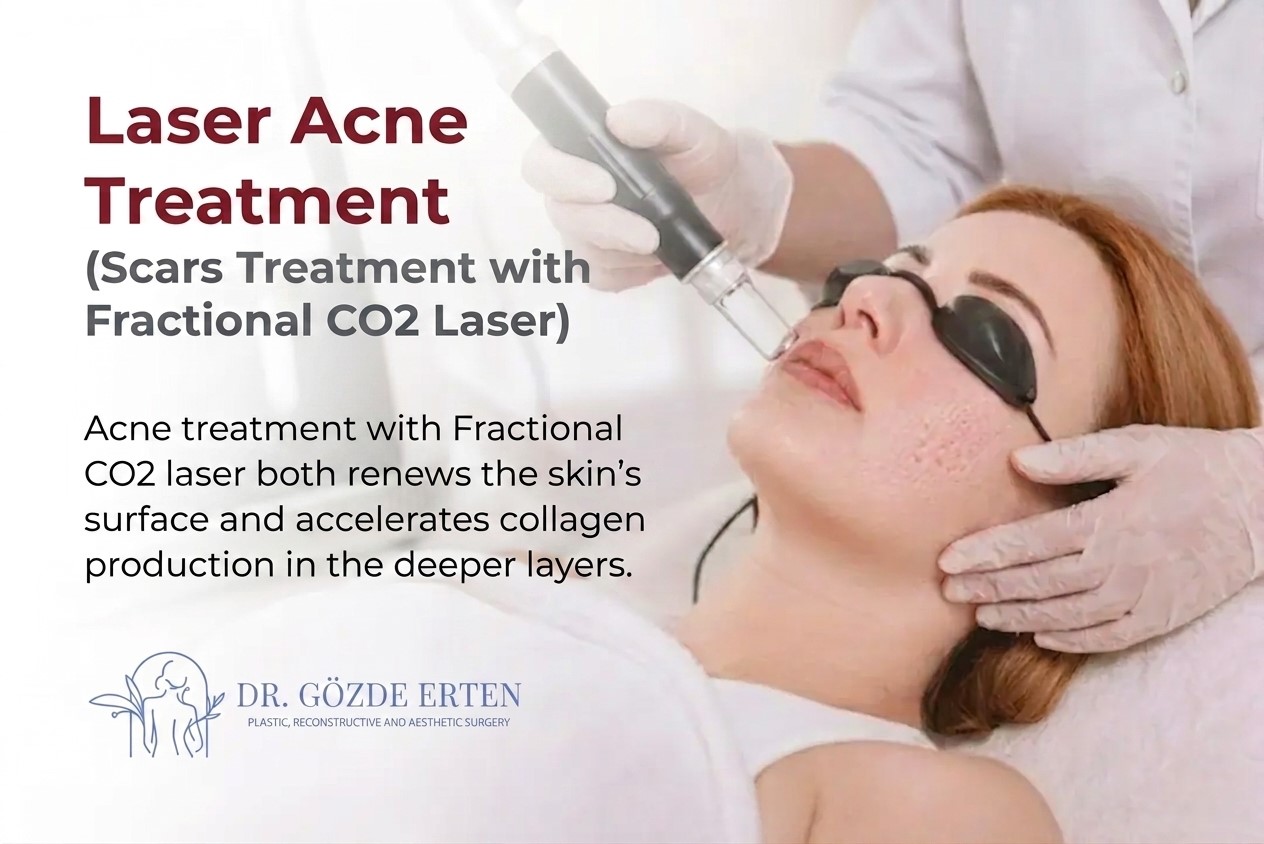
Among the methods used to treat acne scars, Fractional CO₂ laser treatment is the most effective, as it both renews the skin’s surface and accelerates collagen production in the deeper layers. However, to achieve the desired results, these devices must be operated under the expertise and aesthetic judgement of a plastic surgeon.
What is acne and why is it so persistent?
Medically known as acne vulgaris, it is a complex process that begins with the blockage of hair follicles and sebaceous glands. It is not merely a matter of hygiene; many factors trigger this process, such as genetic predisposition, hormonal fluctuations, Ankara’s dry air, and the stress associated with city life. The excess oil (sebum) and dead skin cells that accumulate within the pores create an ideal breeding ground for bacteria.
The resulting red, inflamed lumps may sometimes clear up on their own, while at other times they damage the deeper layers of the skin, leaving permanent scarring. It is at this stage that acne treatment must be taken to a professional level. Acne left untreated or squeezed incorrectly, unfortunately, has the potential to develop into acne scars, which are much more difficult to treat later on.
What is laser acne treatment, and how does it work?
If you are still experiencing active spots on your skin, laser systems offer a twofold benefit here. For patients who have not seen results with traditional medication or cream treatments, laser energy produces the following effects:
- Regulation of sebaceous glands: Laser beams target overactive sebaceous glands, balancing sebum production. This physically limits the skin’s tendency to develop spots.
- Bacterial control: The inactivation of spot-causing bacteria by laser energy ensures that inflammation subsides rapidly.
- Rapid healing: The intense redness and swelling caused by active acne subside much more quickly following laser sessions.
Once active acne is under control, supporting the treatment process with methods like laser skin tightening enhances the longevity of the results by improving the skin’s overall quality and tightening the pore structure.
Types of acne
Every patient’s acne scars are unique, which is why a standard treatment protocol cannot be successful. During consultations at our clinic, we assess scars in three main categories:
- Icepick scars (narrow and deep scars): These are very narrow but equally deep indentations. They look as though small needles have been pricked into the skin.
- Boxcar scars (box-shaped scars): These are indentations with sharp edges, usually round or oval in shape. This group responds best to laser treatment.
- Rolling scars (wavy scars): This type of scar is a wavy appearance caused by the formation of firm bands beneath the skin that pull the skin downwards.
Dr Gözde Erten analyses the depth of these scars and, where necessary, combines laser treatment with various surgical techniques. For example, in cases where the skin has lost its elasticity and the scars have become more pronounced, laser treatments for wrinkles can be used to improve the skin’s overall tone and texture at the same time.
How does fractional CO₂ laser technology work?
When it comes to acne scars and deep acne pits, the undisputedly most effective technology worldwide is the fractional carbon dioxide (CO₂) laser. This device makes fractional, or pinpoint, contact with the skin. While thousands of micro-laser columns penetrate beneath the skin, the intact skin areas between these columns accelerate the healing process.
The key mechanism at work during the procedure is to create controlled micro-injuries to the skin. The body immediately begins to produce new collagen and elastin to repair this controlled damage. Over time, this new tissue fills in the pits caused by acne and smooths the skin’s surface. This treatment improves the appearance of acne scars and creates a sort of laser lifting effect, making the skin look fresher, firmer, and healthier.
How many sessions are required for laser acne scar treatment?
Laser treatment for acne scars is not a single "magic wand" solution; it is a process. It takes time for the skin to regenerate.
- Mild scars: Generally, 1–3 sessions yield very satisfactory results.
- Deep scars and pits: A disciplined schedule of 4–6 sessions may be required.
- Recovery time: A period of 4 to 6 weeks is allowed between sessions to allow the skin to rest and produce new collagen.
Patience is half the battle during the treatment process. The at-home skincare products and high-factor sunscreens recommended by Dr. Gözde Erten are vital for maintaining the effects achieved by the laser treatment.
Laser Acne Treatment Aftercare
Once the procedure is complete, your skin will feel as though it has been sunburnt and will be very red. This redness is a sign that the treatment has taken effect.
- Day 1: Redness and mild swelling are at their peak.
- Days 3–5: Micro-scabs begin to form on the skin’s surface. You must never pick at these scabs; you should allow them to fall off naturally.
- Week 1: The scabs fall off, revealing a pinker, brighter and fresher layer of skin underneath.
During this sensitive period, it is crucial to moisturise your skin and protect it from Ankara’s dry climate and intense sunshine. We can also provide a holistic approach to your skincare needs, such as our laser hair removal solutions for unwanted hair.
Laser Acne Treatment Prices in Turkey, Ankara
Naturally, one of the issues our patients are most curious about is the cost. Prices for laser acne (acne scar) treatment in Ankara depend on the type of device used, the size of the area to be treated, and the number of sessions required. However, the surgeon’s experience is the most important factor here. An incorrect energy dosage or the wrong choice of device can result not only in financial loss but also in permanent marks on the skin that are difficult to reverse.
Instead of looking for the cheapest option, it's better to prioritize the specialist's experience for long-term cost-effectiveness. At our clinic, we draw up a personalized pricing structure and treatment plan based on each patient’s skin analysis. Please contact us directly for further information and to book an appointment.
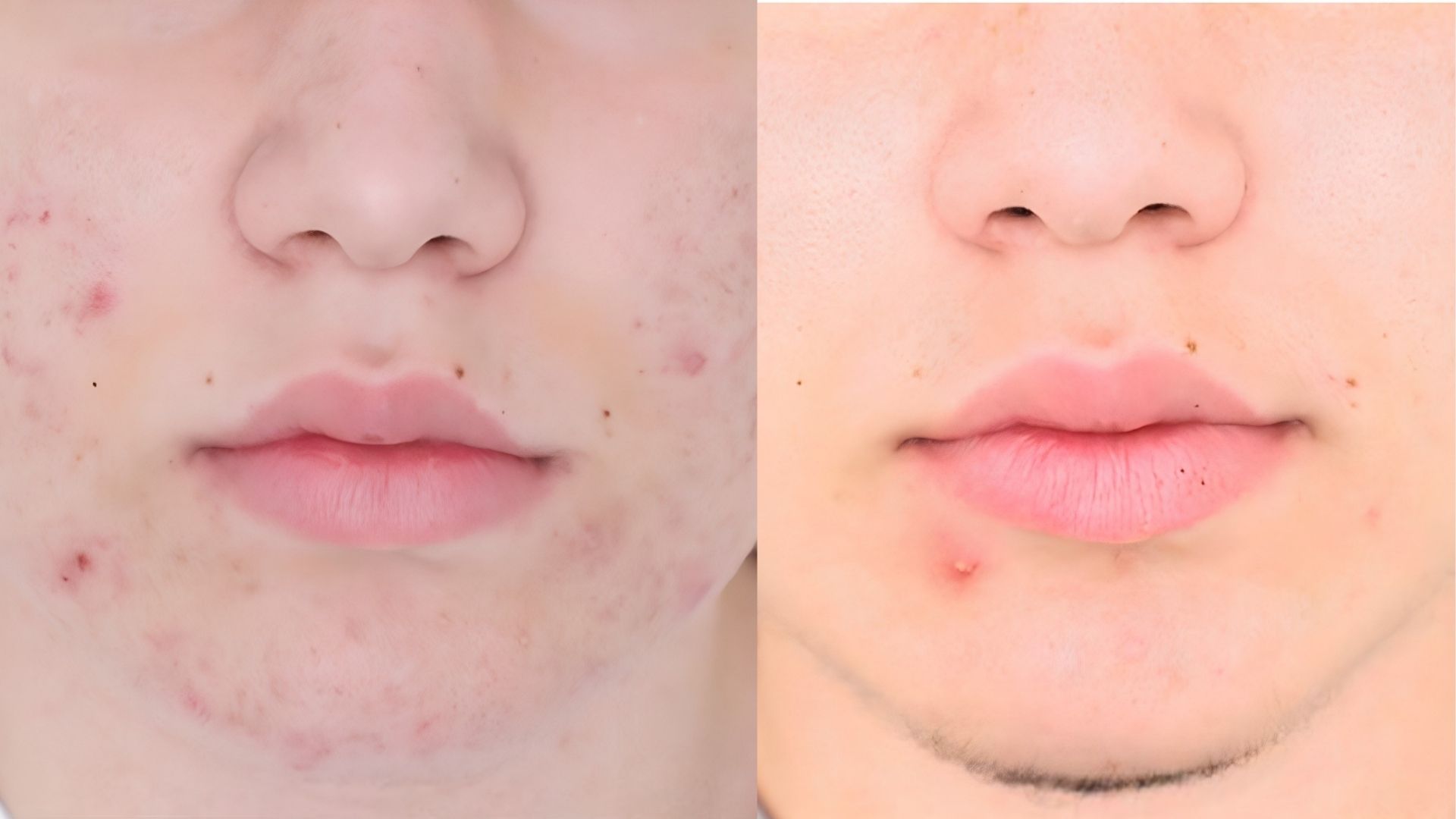
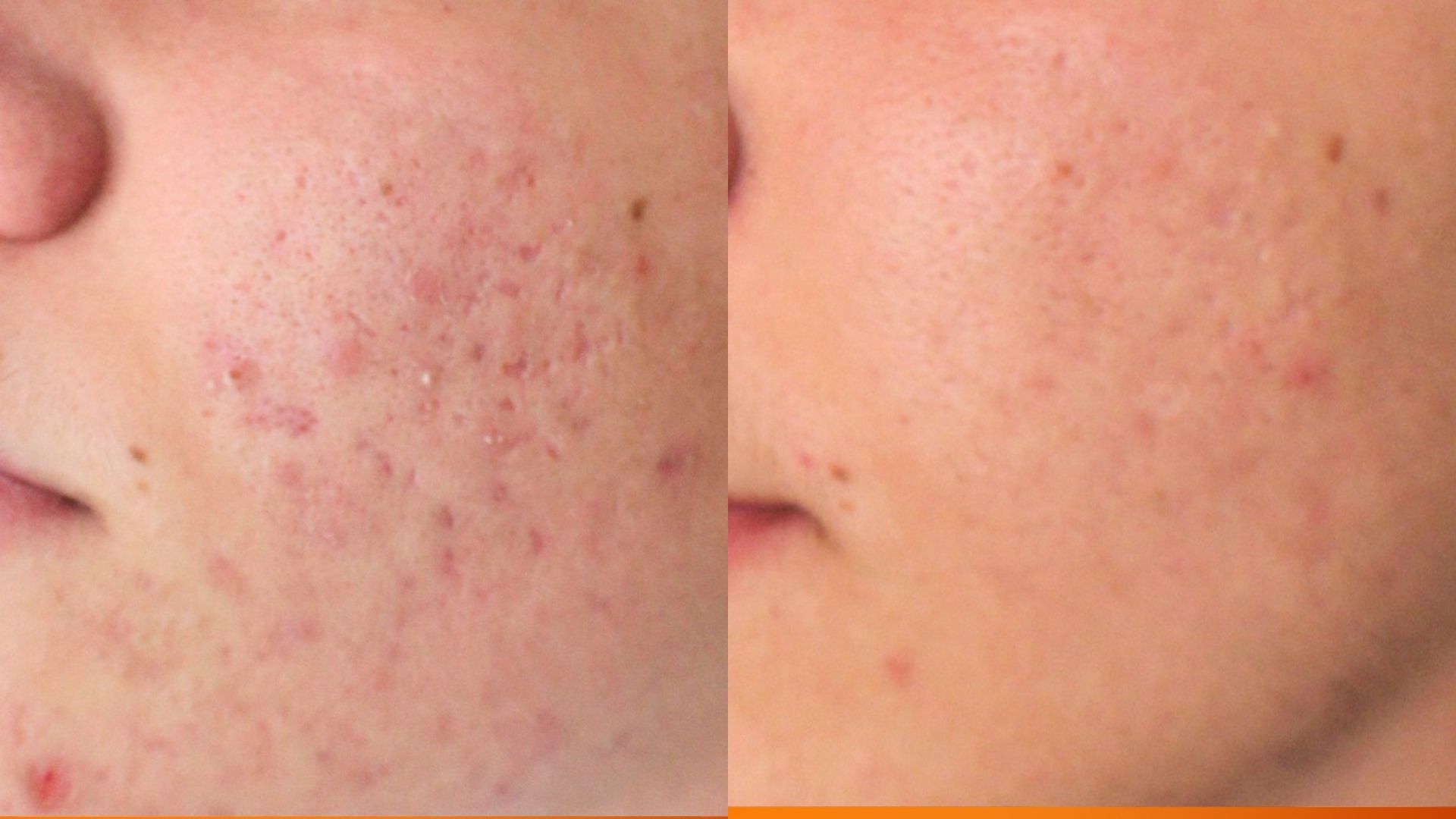
Laser treatment for acne scars before and after in Turkey, Ankara
Frequently Asked Questions About Laser Acne Treatment
A strong topical anesthetic cream is applied approximately 30–45 minutes before the procedure, making the treatment very comfortable for most patients. During the session, you may only feel a mild snapping sensation or gentle warmth on the skin.
Some acne scars are so deep that laser treatment alone may not be sufficient. In these cases, a surgical technique called subcision is used to release the fibrous bands beneath the skin. Combining subcision with laser treatment often provides the most effective and long-lasting improvement for deep acne scars.
If an acne scar is extremely deep or involves significant tissue loss that cannot be corrected with laser treatment alone, surgical scar excision with fine sutures may be recommended. However, thanks to modern fractional laser technology, surgery is now required far less frequently.
Laser treatment helps reduce active acne and regulate oil production. However, if hormonal changes, genetics, or lifestyle factors remain unchanged, new breakouts may still occur. Maintaining a healthy skincare routine and lifestyle is important for long-term results.
Autumn and winter are generally considered the best seasons for laser skin treatments because sun exposure is lower. However, with strict use of sunscreen and proper aftercare, laser acne treatment can be safely performed throughout the year.
Yes. In some cases, impurities and trapped oil beneath the skin may temporarily surface during the healing process. This is usually short-lived and resolves quickly with the skincare routine recommended by your doctor.
The information on this page is provided for educational purposes only and should not be considered medical advice. For an accurate diagnosis and a personalized treatment plan, please consult Dr. Gözde Erten or contact our clinic.