

What Is a Mini Facelift?
Think of a mini facelift as the more targeted, less invasive cousin of a traditional facelift. Rather than working across the entire face and neck, it focuses on a smaller area—usually the jowls, lower cheeks, and upper neck—where early signs of aging tend to show up first.
The incisions are typically shorter and placed near the ear, and there's less tissue being repositioned overall. Because the surgery itself is less involved, it tends to go faster, and most people find the recovery noticeably easier than what they'd expect from a full facelift.
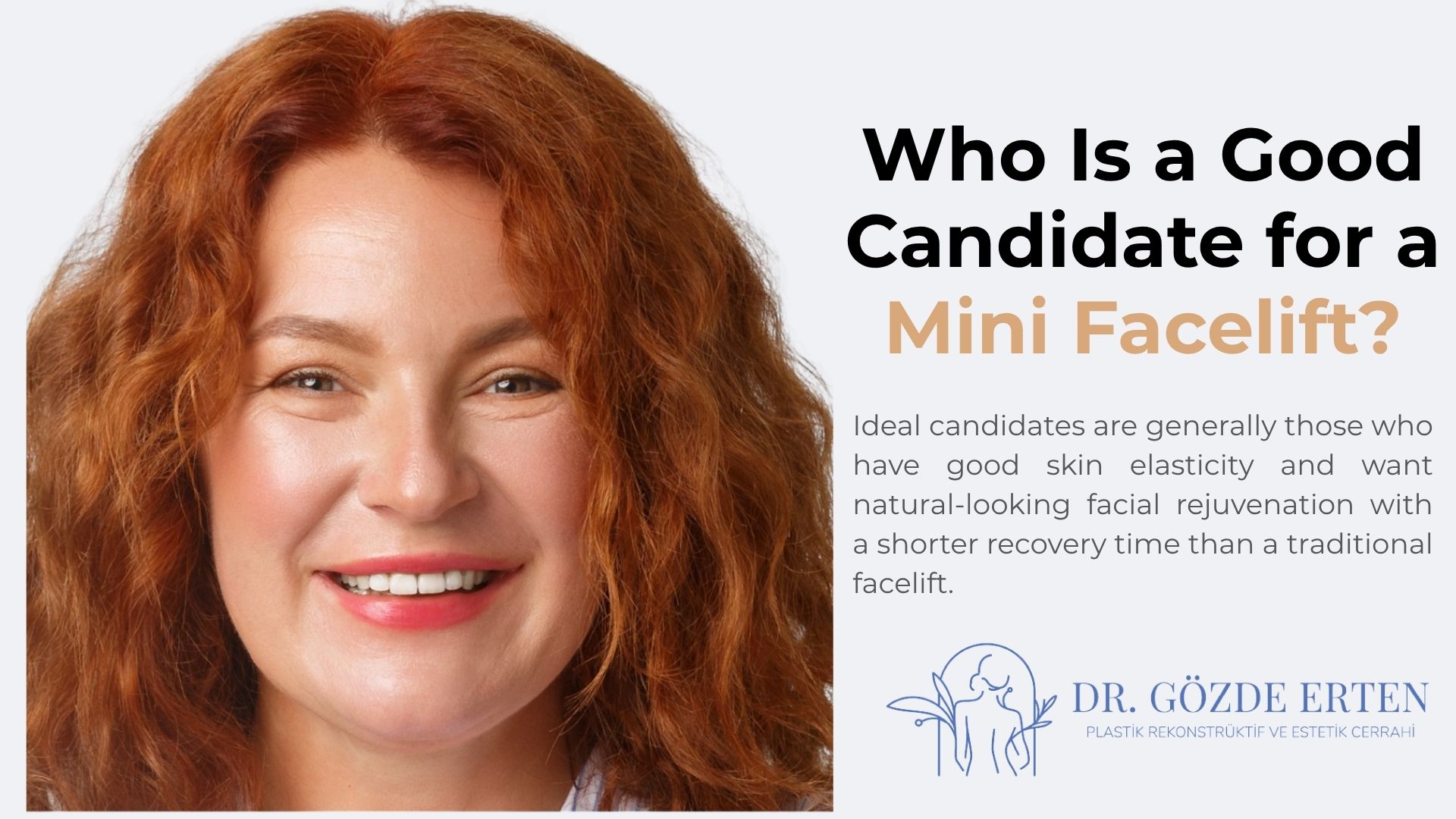
Who Is a Good Candidate for a Mini Facelift?
The ideal candidates for a mini facelift are healthy adults with mild to moderate skin laxity around the jawline and lower face, good skin elasticity, and realistic expectations about the results. It is particularly suitable for patients in their 40s to 60s who want natural-looking facial rejuvenation with a shorter recovery than a traditional facelift.
If you've started noticing a bit of sagging along your jawline, or your lower face just isn't as firm as it used to be, but a full surgical facelift feels like more than you're ready for, you've probably run into the term "mini facelift" while researching your options. It's become a popular choice for people who want a real improvement without a long recovery—but it's not the right fit for everyone. Here's what actually matters when it comes to figuring out if you're a good candidate.
How Does a Mini Facelift Differ from a Traditional Facelift?
The short version: scope, incision length, and how long it takes to bounce back.
A traditional facelift covers more ground—the mid-face, jowls, and neck—and is often paired with a neck lift for patients dealing with more significant sagging. It involves longer incisions, a deeper level of tissue repositioning, and a recovery period that usually lasts two to three weeks before things start feeling normal again.
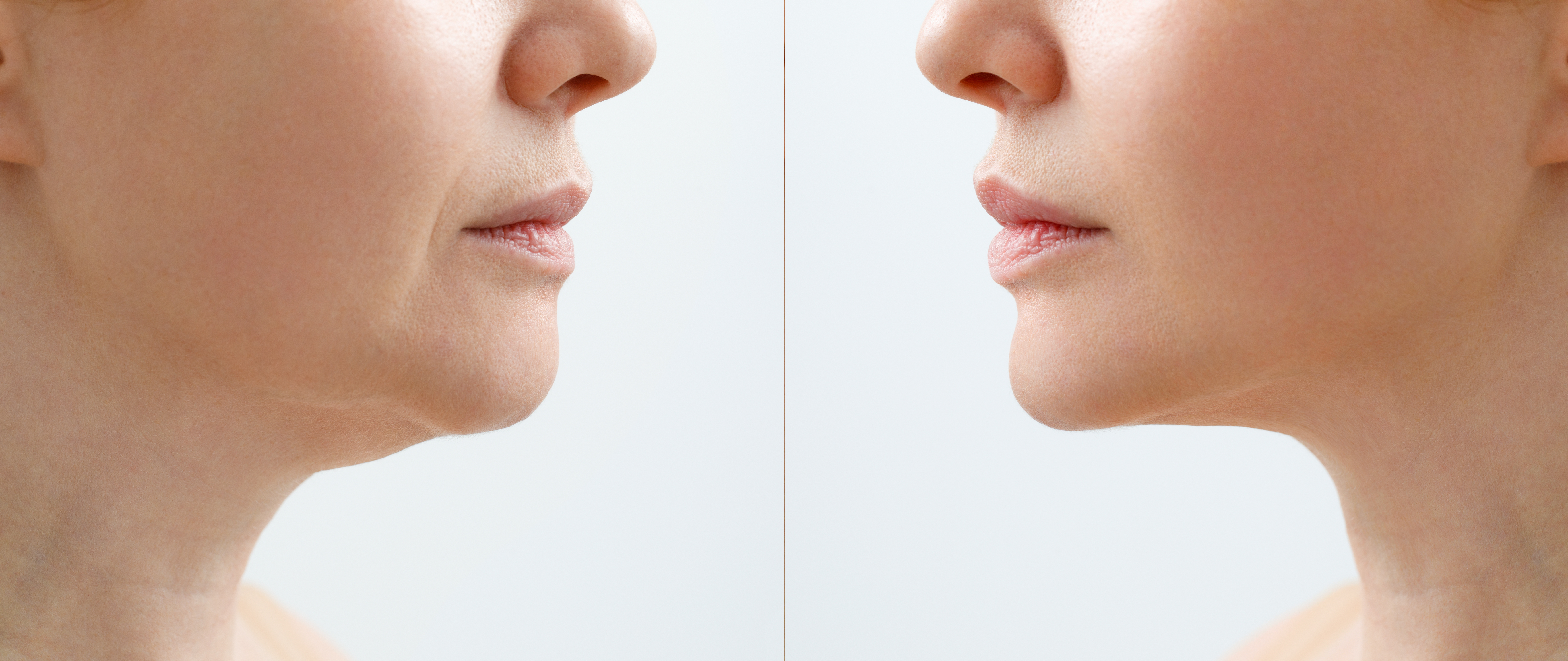
A mini facelift takes a lighter touch. It's built for mild to moderate sagging, mostly in the lower face and jawline, and because there's less disruption to the tissue underneath, you're generally back on your feet faster. The catch is that the results are subtler, and it won't do much for more advanced sagging, especially around the neck or mid-face.
Signs That You May Be a Good Candidate for a Mini Facelift
A few things tend to line up in people who end up being great candidates:
- Early jowling or mild sagging along the jawline—without much going on elsewhere.
- Skin that still has good elasticity, since part of how this procedure works relies on the skin adapting after it has been tightened.
- Realistic expectations—you want to look refreshed and like yourself, not dramatically different.
- Generally good health, with no uncontrolled conditions that could hinder healing.
- A preference for a shorter recovery over the more involved process of a full facelift.
If what's bothering you is really just early lower-face aging rather than more widespread changes, this is often exactly the kind of case a mini facelift was designed for.
What Is the Ideal Age for a Mini Facelift?
Most surgeons see the best results in patients somewhere in their mid-40s to mid-50s. That's usually around when jowling and jawline laxity start becoming noticeable, and skin still has enough elasticity left to respond well to a lighter procedure.
Chin sagging can be a challenge, but the most effective and long-lasting solution is a mini facelift! This procedure targets the jawline area, lifting and tightening the skin for a more defined and youthful contour. A mini facelift restores a firmer jawline and more youthful facial contours while preserving natural facial expression.
That said, age is really just a rough guideline, not a hard rule. Some people in their late 30s with early sagging are perfectly good candidates, while others in their 60s with well-maintained skin still get great results. What actually matters more is how much sagging you're dealing with and how your skin is likely to respond—something your surgeon can assess far better than any age range can.
Can a Mini Facelift Help with Sagging Skin?
Yes, within reason. It works well for mild to moderate sagging along the jawline and lower cheeks, tightening things up and bringing back a more defined contour.
However, it is less effective for more significant or widespread sagging, especially in the neck or mid-face, where a full facelift or a combination of procedures typically yields better and longer-lasting results. If your sagging is more advanced than "mild to moderate," a good surgeon should be upfront that a mini facelift alone probably won't get you where you want to be.
Who May Not Be a Suitable Candidate for a Mini Facelift?
This procedure isn't a fit for everyone, and it's worth being honest about that. You might not be the ideal candidate if:
- You've got significant sagging in your neck or mid-face—areas a mini facelift just isn't built to address.
- Your skin has lost a fair amount of elasticity, which limits how well it adapts afterward.
- You have health conditions that aren't well managed, like uncontrolled diabetes or heart issues, which raise surgical risk.
- You smoke and aren't willing to stop for a while, since smoking really does slow healing down.
- You're picturing a dramatic, full-face transformation rather than a subtle, targeted change.
- If any of that sounds like you, a full facelift, a combined procedure, or even a non-surgical option might genuinely serve you better.
What Areas of the Face Can a Mini Facelift Improve?
A mini facelift primarily improves the lower third of the face by lifting loose tissues around the jawline and lower cheeks while reducing the appearance of jowls.
- The jawline, cutting down on sagging and bringing back a cleaner contour
- A mini facelift also improves the appearance of jowls by tightening loose tissues and restoring a more defined jawline.
- The nasolabial folds and, to a lesser extent, the lower cheeks will be softened, reducing some early creasing.
A mini facelift does not address the forehead, brow, or under-eye area.
Mini Facelift and Neck Lift: Can They Be Combined?
Definitely, and it's actually a pretty common pairing. A mini facelift on its own doesn't do much for neck laxity, but combined with a neck lift, patients with early jowling and mild neck sagging can achieve a more complete, well-balanced result across both areas in one procedure.
The trade-off is a slightly longer surgery and recovery than a mini facelift by itself, but for the right person, the combination tends to look more natural and cohesive than either procedure done alone.
What Results Can You Expect from a Mini Facelift?
Most people end up with a tighter, more defined jawline, less jowling, and an overall refreshed look—not a dramatic overhaul. The goal here is usually to look like a well-rested version of yourself, not like you've "had work done."
Because it's a more conservative procedure than a full facelift, the results tend to look natural, without much risk of that overly tight, pulled look some people worry about. You'll generally see the final result once the swelling settles down, which is usually a matter of weeks.
How Long Do Mini Facelift Results Last?
On average, most patients get around five to seven years out of their results. Results vary depending on age, skin quality, lifestyle, and the natural ageing process. Since a mini facelift addresses early aging rather than erasing it completely, your face keeps aging normally afterward—just from a better starting point than before.
Good skincare, sun protection, and keeping your weight stable can all help stretch those results out a bit longer.
How Long Does a Mini Facelift Procedure Take?
A mini facelift usually takes between 1.5 and 3 hours, depending on how much needs to be addressed and whether it's combined with another procedure, like an eyelid lift or neck lift. It's noticeably shorter than a traditional facelift, which can take 3 to 5 hours or more.
Will a Mini Facelift Leave Visible Scars?
Unlike some European surgeons, who prefer straight incisions in front of the ears, we opt for techniques that prioritise concealment. We take advantage of every possible natural curve to hide the scar.
There will be some scarring, since it is a surgical procedure, but it's generally minimal and well concealed. Incisions are typically placed near the ear and within the hairline, following the natural contours of the face, so once healed, scars tend to fade and become very difficult to notice, especially with proper aftercare.
How Long Is the Recovery Process?
The recovery process after a mini facelift is fast and comfortable! You may experience slight swelling and bruising, but don’t worry, these will decrease within a few days. Most patients can return to their daily activities within a few days!
Recovery is generally one of the biggest selling points compared to a full facelift. Here's roughly what to expect:
- Noticeable swelling and bruising for the first 7 to 10 days.
- Most patients feel comfortable returning to light daily activities within one week.
- Exercise and other normal activities can usually be resumed gradually after two to three weeks, depending on your surgeon's advice.
- The final result becomes visible as the last bit of swelling fades, usually around 4 to 6 weeks
Your actual recovery time can shift depending on how your body heals and whether you combined the procedure with something like a neck lift.
Is Wearing a Compression Garment Necessary After Every Facelift Surgery?
Do you really need to walk around with a tight bandage? Does the need for a tight bandage depend on the individual patient?
Dr. Gözde Erten explains one of the most frequently asked questions about the recovery process!
Conclusion
According to Dr. Gözde Erten, a mini facelift is an excellent option for individuals with early signs of facial ageing who want natural-looking rejuvenation without the extensive recovery associated with a traditional facelift. The key to achieving the best outcome is choosing the right procedure for your facial anatomy and personal goals.
A mini facelift is a surgical procedure designed to gently minimise the effects of ageing without altering facial features. Tissues that have begun to sag are repositioned, facial contours become more defined, and a fresher appearance is achieved.
This procedure gently minimises the visible signs of ageing without changing your natural facial expressions.
- More defined facial contours
- Short recovery period
- Natural and harmonious appearance
- Long-lasting results
Not to look like a different person, but to feel better about yourself when you look in the mirror.
Wondering whether a mini facelift is the right option for you? Book a consultation with Dr. Gözde Erten to receive a personalised facial assessment and treatment plan.
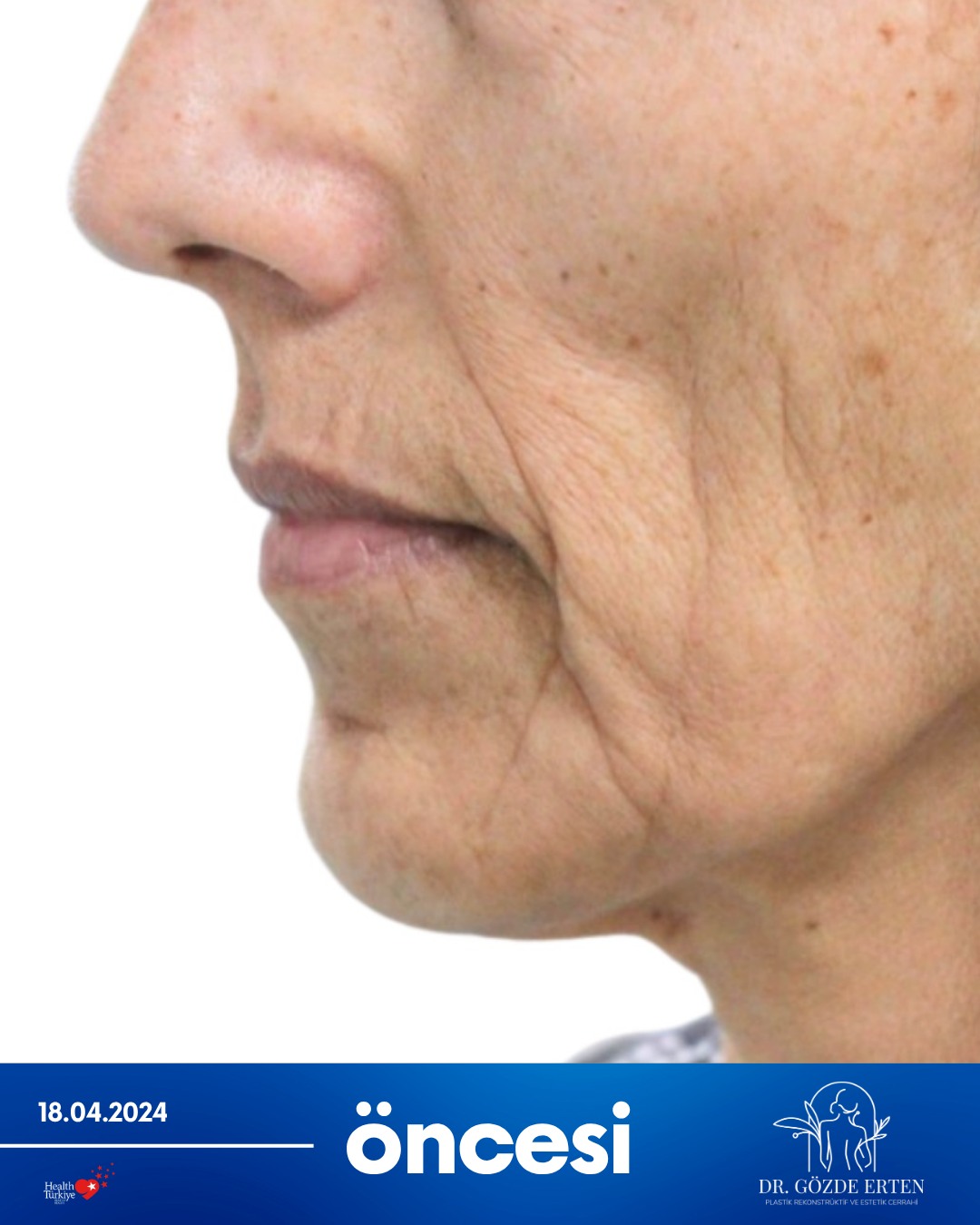
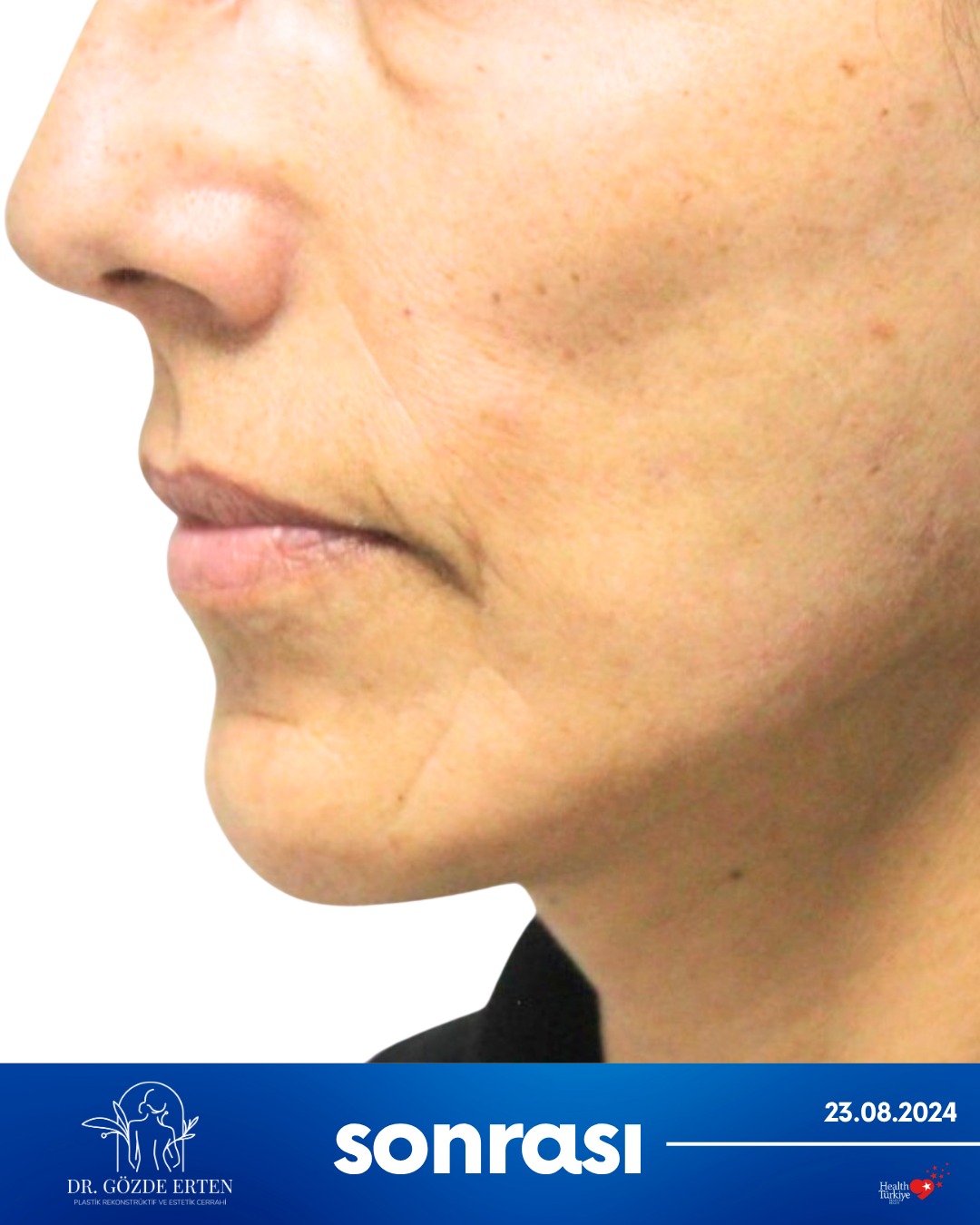
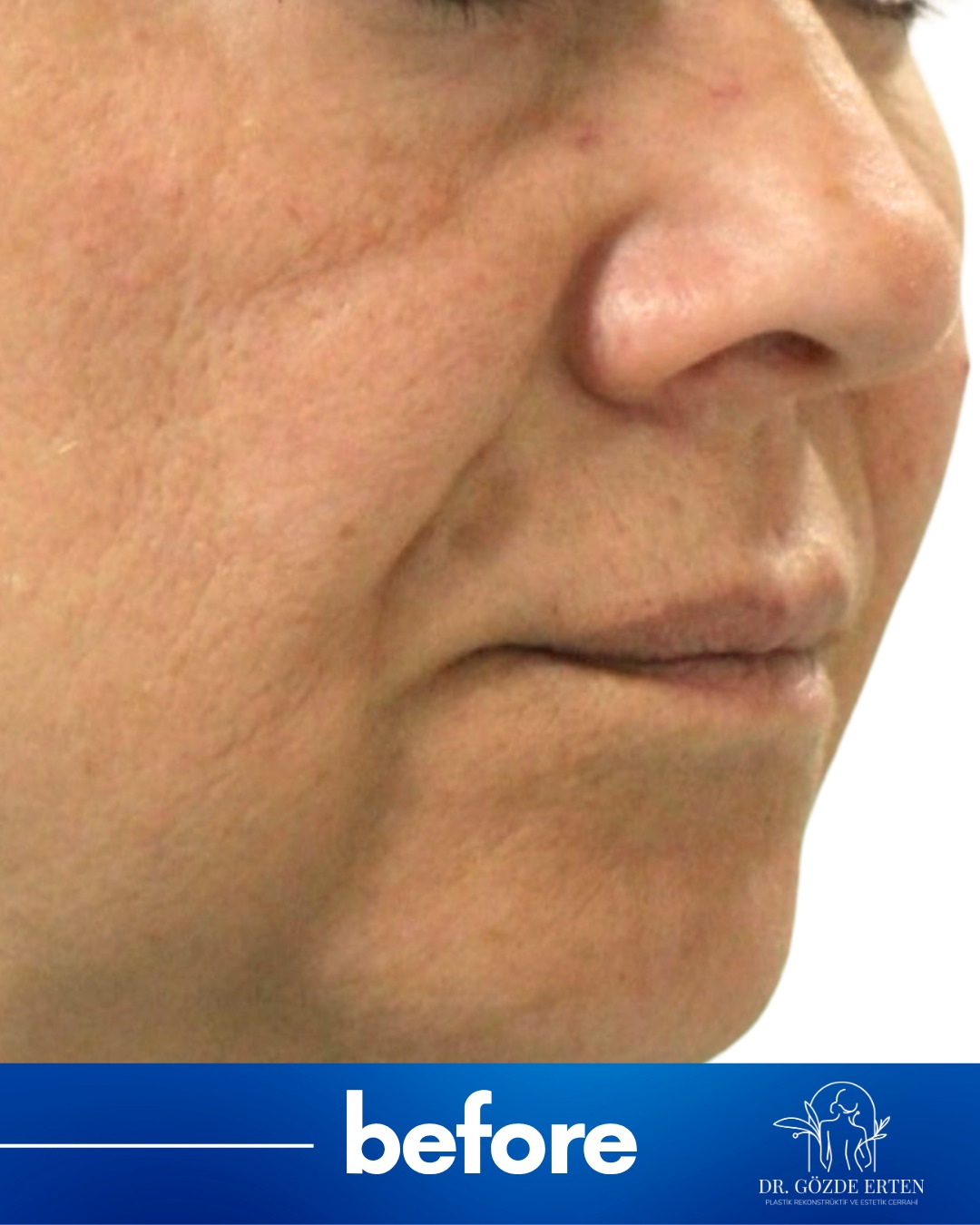
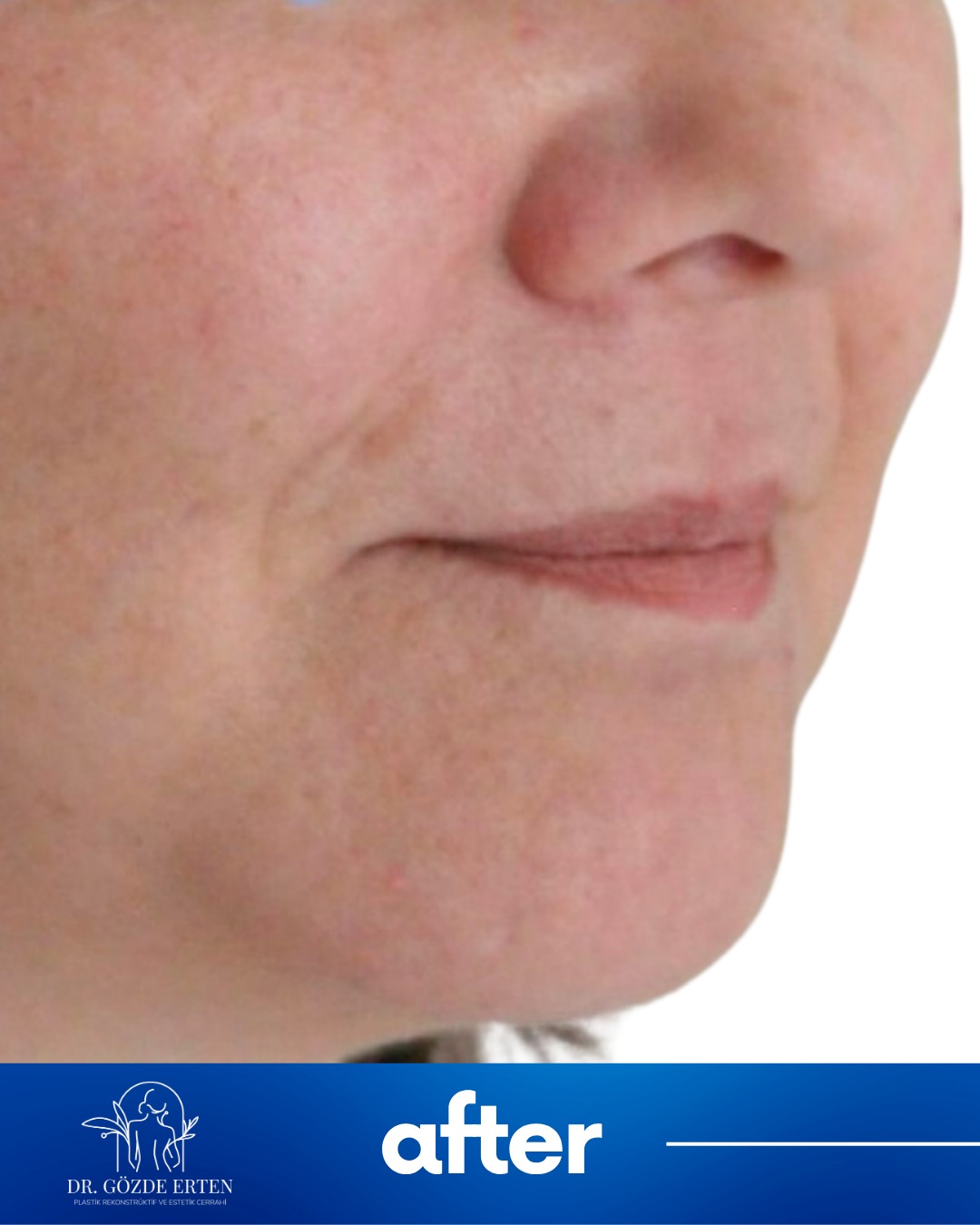
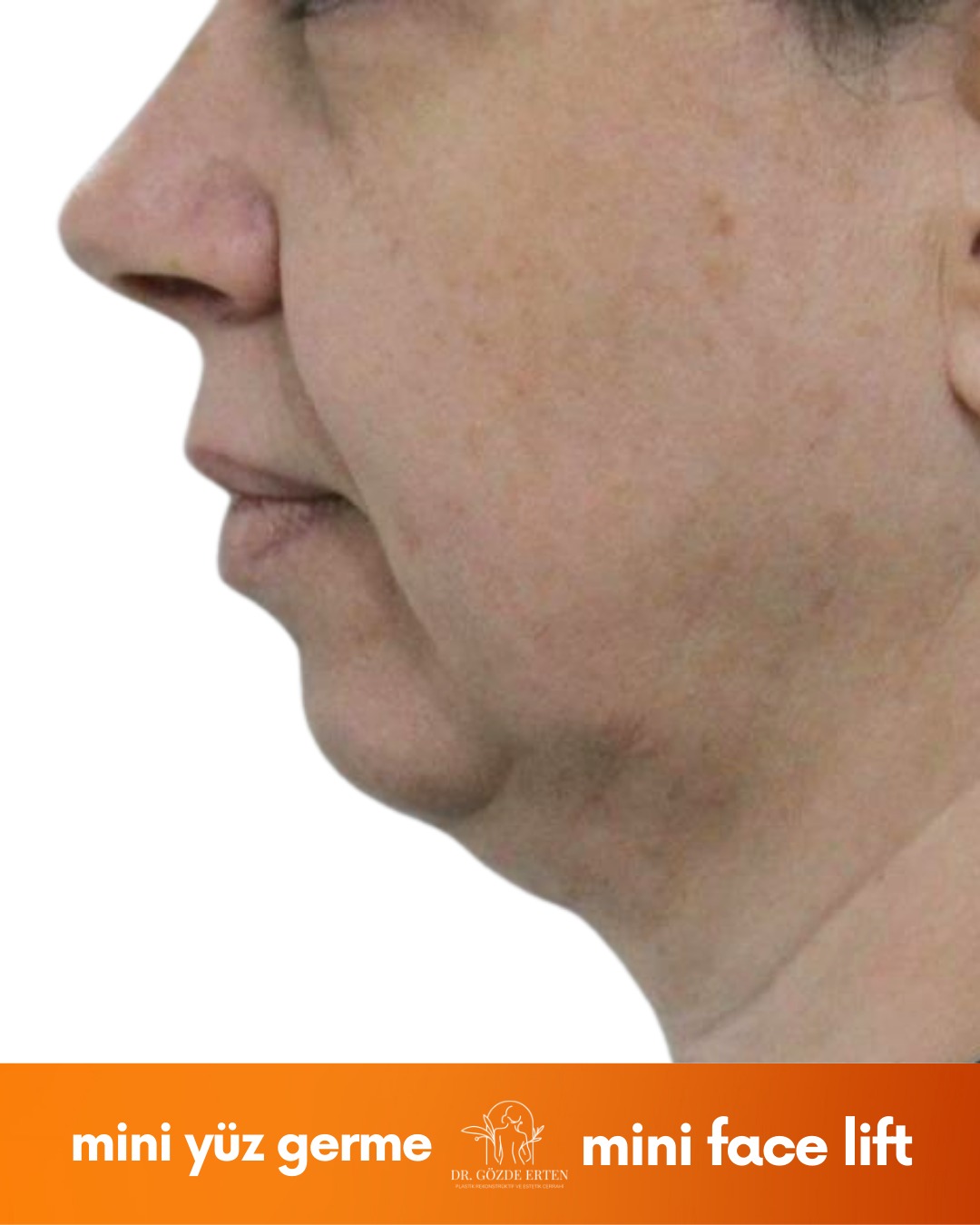
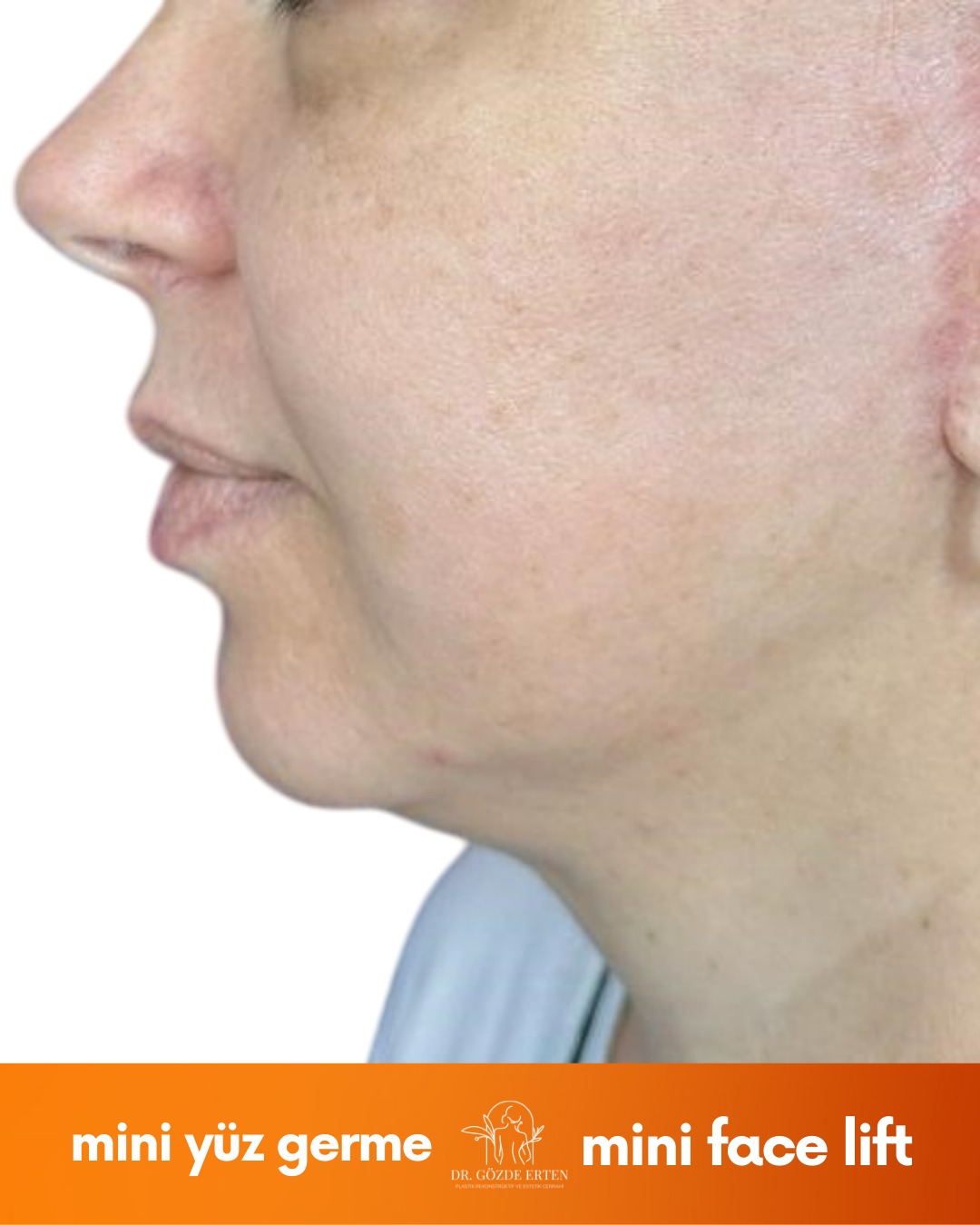
Mini Facelift Before and After in Turkey, Ankara
Frequently Asked Questions About Mini Facelift
Mainly its limited reach. It handles early to moderate sagging in the lower face well, but it won't fix more advanced sagging, especially around the neck or mid-face. The results are also more subtle than a traditional facelift, and since less tissue is being repositioned, they tend not to last quite as long.
It varies a lot person to person, but many patients say they look somewhere between five and ten years younger, particularly around the jawline. The extent of the effect depends on your starting point, skin quality, and the conservativeness or extent of your specific procedure.
Most people find a mini facelift to be a genuinely worthwhile investment for those who are dealing with early to moderate jowling and jawline sagging, desire a natural result, and prefer a shorter recovery. If your sagging is more advanced, though, a full facelift may actually serve you better long-term, so it's worth having an honest conversation with a qualified surgeon about your specific goals before deciding.
Not typically, no. The procedure itself is done under anesthesia, so you shouldn't feel anything during surgery. Afterward, most patients describe mild discomfort, tightness, or soreness rather than significant pain, and it's usually well managed with standard pain medication for the first few days.
Yes, the procedure is a fairly common combination since the two address different areas—the mini facelift focuses on the lower face and jawline, while eyelid surgery targets sagging or puffiness around the eyes. Combining them in one session means a single recovery period instead of two separate ones, though it does mean a slightly longer surgery.
Not always. Many mini facelifts are performed under local anesthesia with sedation, since the procedure is less extensive than a full facelift. That said, some surgeons or specific cases may call for general anesthesia—this is something your surgeon will determine based on your procedure and personal preference.
Yes, it can be repeated later on, since it's a relatively conservative procedure. Many patients opt for a mini facelift in their late 40s or 50s and later decide to undergo either another mini facelift or a full facelift as they continue to age.
Initial healing is usually pretty quick — incisions typically close up within 1 to 2 weeks, and redness fades noticeably over the following few weeks. Since incisions are small and generally hidden near the ear and hairline, most scars become quite faint and hard to notice within a few months, though full maturation can take up to a year.
Most surgeons recommend waiting at least 7 to 10 days before flying, once initial swelling and bruising have started to settle and you're comfortable moving around. Long-haul flights are usually best pushed back a bit further, closer to 2 weeks, since prolonged sitting and cabin pressure changes can increase swelling. It's always worth confirming the exact timeline with your surgeon based on your specific procedure and recovery.
The information on this page is provided for educational purposes only and should not be considered medical advice. For an accurate diagnosis and a personalized treatment plan, please consult Dr. Gözde Erten or contact our clinic.