


"I don't want to look different. I just want to look less tired."
We hear something like this nearly every week. Quite often it comes from someone who already looks after themselves. They sleep reasonably well, they wear sunscreen, they have a skincare routine they actually stick to. But when they look at photos from five or six years ago, their face looks different, a bit heavier somehow, and they can't put their finger on why. Usually the jawline has lost some of its edge and the cheeks have dropped a little. Some people hold up their hands at this point too and ask when those started looking older.
It happens slowly, which is why it catches people off guard. From around the mid-twenties the body makes less collagen than it used to, and the face loses volume over years rather than months. Day to day you don't see it. You tend to notice it all at once, often in a photo or in a lift mirror with harsh lighting.
The traditional answer was to fill in whatever looked hollow, and in some cases that's still the right call. Adding volume doesn't do much for skin that has become thinner and looser, though, and that's generally when we bring Radiesse into the conversation.
So, What Is Radiesse?
Radiesse is an injectable made with calcium hydroxylapatite, which most people (including us) shorten to CaHA. It's a biocompatible material based on a mineral that occurs naturally in bones and teeth. What's actually in the syringe is a soft gel with very small CaHA microspheres suspended in it.
We use it in two fairly different ways. Injected as a filler, it gives back volume and shape in areas that have flattened. Used as a biostimulator, it prompts the skin to produce more of its own collagen. The product doesn't change between the two. How we prepare it and where it's placed does.
How Radiesse Works
A useful way to picture it is scaffolding on a building.
The gel provides some lift as soon as it's injected. Over the following period the body absorbs the gel, while the CaHA particles stay in place longer and give new collagen a framework to form around. The particles are eventually broken down too. Whatever collagen your skin has produced by then can go on supporting the area for some time, although it ages in the same way the rest of your skin does.
If it's placed carefully, Radiesse can restore structure without the swollen, overfilled look that puts a lot of people off injectables. What you see is partly the product and partly your skin's own response, so the result isn't finished on the day. As a filler, there's usually a visible difference straight away. The collagen side develops more slowly over the weeks and months after treatment.
Filler or Skin Booster?
Patients are often surprised by this part.
If the aim is a sharper jawline or more support in the cheeks, we use Radiesse as a filler, either undiluted or only lightly diluted. If the main concern is crepey, loose skin, we may dilute it considerably and spread it thinly over a wider area. Some clinics market this as a "mineral booster" or "mineral injection". In that case we aren't trying to add volume. We're trying to get the skin to make more collagen, and what people usually notice over time is that it feels a little thicker and firmer.
There's no standard dilution or injection pattern that we use for everyone. It depends on your anatomy, the condition of your skin and what you want to change. You should also know that diluted and hyperdiluted techniques may fall outside the product's approved uses in some countries, and we'd discuss this with you before going ahead.
The appointment itself is fairly short. Some Radiesse formulations already contain lidocaine, a local anaesthetic, and we can use additional numbing if you need it.
Which Areas Can Be Treated with Radiesse?
On the face, we mainly use it in the cheeks, mid-face, jawline, chin and lower face, since these are the areas where structure changes most with age. Which of them we'd treat in your case depends on your anatomy and on the product's approved uses.
The hands are the other common area. Many people put years of effort into their face and give very little thought to their hands until the veins and tendons on the back become more visible. Radiesse can replace some of the volume that's been lost there.
We don't use it in the lips or under the eyes. Both areas carry particular risks and Radiesse isn't recommended for them. Lips are generally better suited to hyaluronic acid filler. For the under-eye area, under-eye light filler may be an option for some patients, but it's a delicate area and has risks of its own.
Is Radiesse Right for Me?
It may be, if your face or hands have lost volume, if your skin feels thinner or looser than before, or if you want more definition without surgery. It also tends to suit people who prefer a change that happens gradually. If you're looking for a dramatic difference, another approach would probably serve you better.
Some people come to us mainly because their skin has lost firmness. For them the focus is on improving skin quality, and adding volume is secondary.
We can tell you much more after we've seen you in person. During the consultation we'll ask about your general health, medications, allergies and any previous treatments. We postpone treatment during pregnancy and breastfeeding, as safety hasn't been established for these groups. If there's an active infection or inflammation in the treatment area, it needs to clear up before we go ahead.
What Are the Benefits of Radiesse?
One reason we use Radiesse is that it isn't limited to one job. In one patient the goal might be restoring lost volume or defining the jawline. In another, it's mostly about the texture and firmness of the skin.
Depending on preparation and injection technique, Radiesse can help support collagen production, improve firmness and give structure back to areas that have lost definition. In the hands, it can restore volume and make veins and tendons less prominent.
We aren't aiming to add as much product as possible. We'd rather work with the tissue that's already there and get a result that looks like you.
What Patients Usually Notice
Most patients want people around them to say they look well, rather than ask what they've had done. That kind of understated result is what we aim for.
Since part of the improvement comes from collagen your skin produces, it can last for many months. We don't promise a specific figure, because the area treated, the technique, your age, your skin and your lifestyle all make a difference. Two people treated on the same day can see quite different results.
Radiesse Before and After in Ankara, Turkey
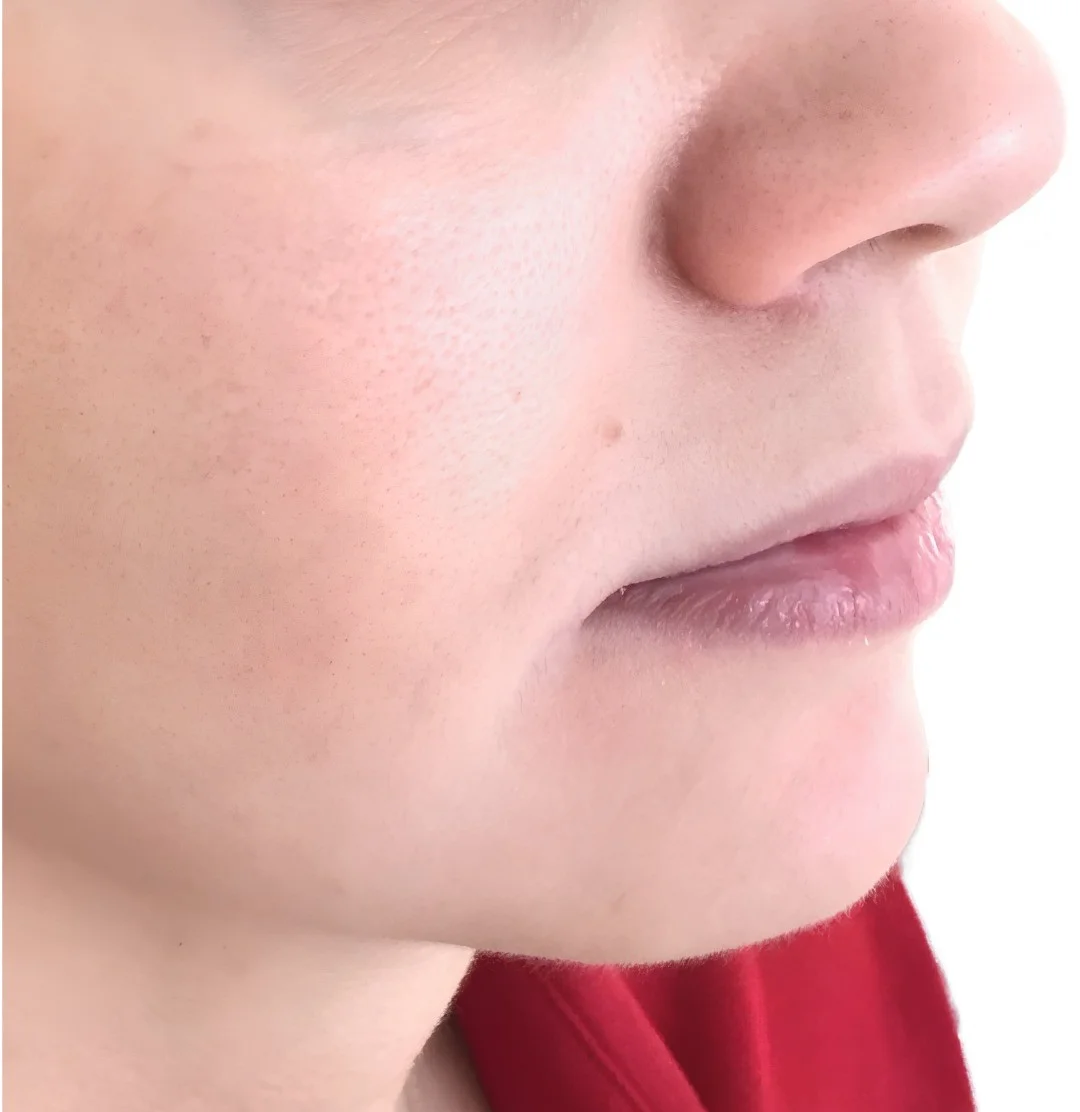
Before
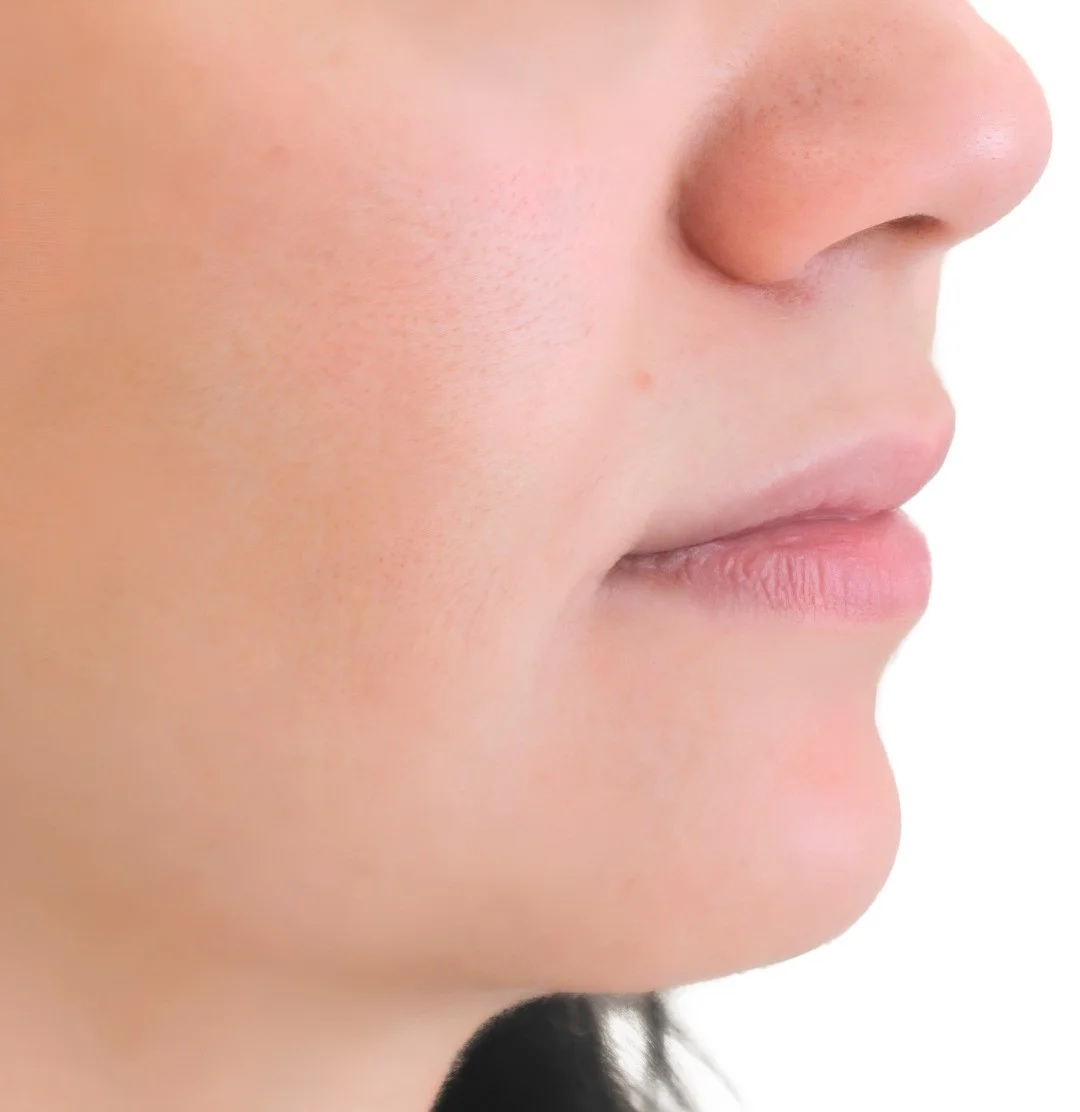
After
Individual results vary. These photos show one patient's result and are not a guarantee of the same outcome.
Radiesse vs. Hyaluronic Acid Filler
We're asked which one is better more often than almost anything else.
Neither is better overall. They're suited to different things.
Radiesse works well when structure and skin quality are the priority, particularly on the jawline, cheeks and hands. Hyaluronic acid fillers can be used in more areas, including the lips and some fine lines, and experienced practitioners use certain hyaluronic acid products around the eyes, where extra caution is needed.
There is one important difference to keep in mind. Hyaluronic acid fillers can often be dissolved with an enzyme called hyaluronidase if something needs to be corrected. Radiesse can't be dissolved in the same way. That doesn't rule it out, but it does make the choice of doctor and careful planning more important.
For some patients a combination of treatments makes sense, and for others one product is enough. You can read more about our filler applications.
After Radiesse
Swelling, redness, tenderness and the occasional small bruise are common after treatment. These usually settle within a few days, although they can last longer in some people. Many patients go back to work the same day or the following day.
For the first day or two, or longer if your doctor advises, avoid strenuous exercise, saunas and excessive heat. Don't press on or rub the treated area unless your doctor specifically tells you to. Collagen-related changes develop gradually over the following weeks and months, so the full result takes time. Some people need only one session, while others benefit from further treatment later.
As with any injectable filler, there are less common but serious risks, including infection, nodules and accidental injection into a blood vessel. Vascular complications can damage the skin and, in rare cases, cause vision loss or stroke. Severe or worsening pain, unusual changes in skin colour or any change in vision after treatment need emergency medical attention straight away.
Our Approach at Dr. Gözde Erten's Clinic
Every patient gets a plan built around their own face. We don't want our patients ending up looking alike, and we don't want you to look "done". You should still look like yourself, just a bit more rested.
Dr. Gözde Erten is a Plastic, Reconstructive and Aesthetic Surgery Specialist in Ankara, and she'll give you a straight answer about whether Radiesse suits you. In some cases it does. In others, a different non-surgical treatment such as mesotherapy or nanofat injection is a better starting point. And for some people the right advice is to wait, because they don't need any treatment yet.
Radiesse FAQs
It can work as both. Undiluted, it adds volume and also stimulates collagen. When it's diluted, it's used mainly to stimulate collagen.
This depends on the area, the technique and individual factors. Results often last around 12 to 18 months. Some people see improvements for longer, and some need another session sooner.
When it's used for volume, there's usually a difference straight away. Changes from collagen stimulation take longer and appear over the following weeks and months.
Most people say the discomfort is manageable. Some formulations contain lidocaine, and your doctor can use additional numbing if needed.
Yes. It's used to restore volume to the backs of the hands, where veins and tendons become more visible with age.
That depends on what's being treated and the result you want. Some patients are happy after one appointment, while others need more. We'll suggest a plan once we've examined you.
Usually very little. You might have some swelling, tenderness or bruising, but most people return to their daily routine quickly. Your doctor will explain any temporary restrictions for the treated area.
In many cases, yes. Radiesse can be combined with hyaluronic acid fillers, skin treatments or certain laser procedures. We'll discuss which options suit you and whether they should be spaced apart.
If you're wondering whether Radiesse is suitable for you, get in touch to book a consultation with Dr. Gözde Erten in Ankara.
This article is for general information only and doesn't replace a medical consultation. Suitability and results vary from person to person.
Author: Op. Dr. Gözde Erten, Plastic, Reconstructive and Aesthetic Surgery Specialist. Last updated: .